Premium residential architecture trends in Lima for 2026 are not aesthetic whims. They are the answer of a sector that watched the high-net-worth buyer change over the last five years: stopped looking for ostentation, stopped rewarding mere accumulation of square meters, and began to evaluate properties through the lens of daily wellbeing, energy efficiency, and patrimonial future.
This article walks through the nine trends that are defining, right now, Lima’s premium projects. Some are refinements of movements that have been in the market for years; others are ruptures that are barely surfacing. For a buyer about to invest in a new property or remodel an existing one, distinguishing the permanent from the passing is the difference between an asset that ages well and one that will need refurbishing in five years.
1. Warm minimalism: the silent replacement of grey
The cold minimalism of the past decade (hard lines, grey palettes, exposed glass) is giving way to a more livable version. Palettes shift toward earth tones: bone, soft ochres, sands, beiges with visual warmth. Textures return to linen, unpolished natural stone, microcement, artisanal finishes that show the hand behind them.
In Lima, this translates into interiors where broken white replaces pure white, where polished marble floors lose ground to rough travertines or wide-plank wood, and where furniture with soft lines displaces geometric volumes. The sense of immediate livability wins over the gallery effect.
2. Biophilic design as a structural principle
Biophilic design has stopped being a decoration with plants. In premium 2026 projects, architects conceive it from planning: solar orientation aimed at maximizing natural light in every main room, cross-ventilation as a requirement before being an extra, indoor garden integration in the floor plan rather than in the final rendering.
In Lima, where the garúa fog installs grey skies for weeks, this orientation toward natural light is particularly decisive. New penthouses have started to break the rule of a single front toward the main avenue and to bet on double façades, perimeter balconies, or terraces facing four directions that rotate space use throughout the day.
3. Invisible technology: home automation that goes unnoticed
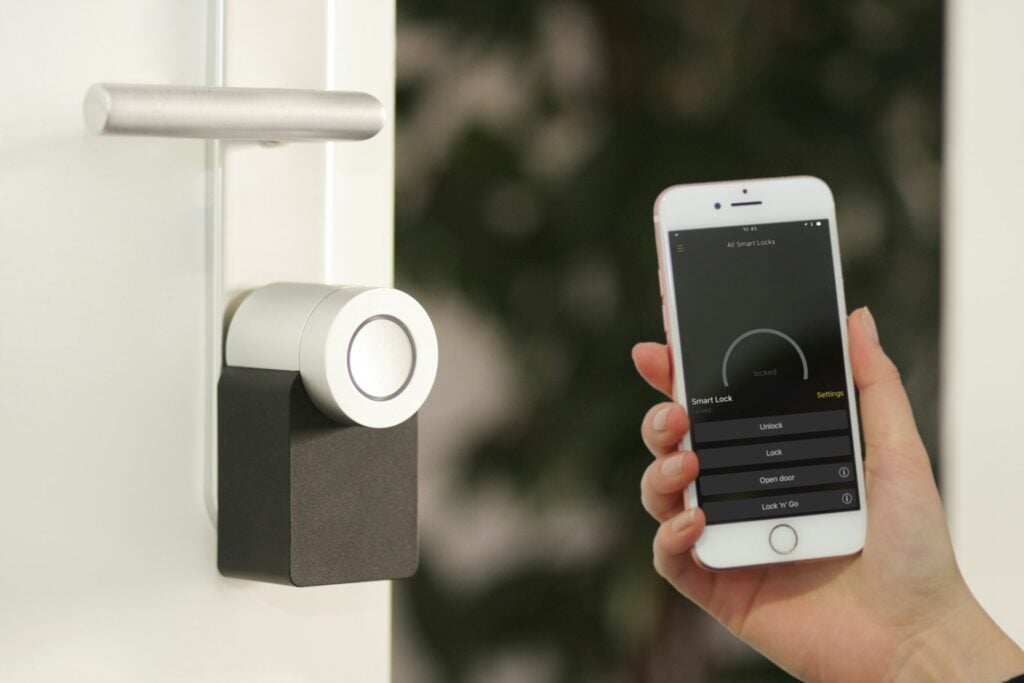
Smart home five years ago competed by showing itself: touch panels on every wall, visible integrated speakers, programmable RGB lights. The 2026 trend is exactly the opposite. Technology is good when it disappears.
That means biometric sensors integrated into the door frame, not control kiosks; glass that automatically darkens with sun position; ventilation systems that detect air quality and compensate without requiring user interaction; lighting with predefined scenes activated by presence and schedule. The premium buyer no longer wants to demonstrate that the house is intelligent. They want the house to take care of them without reminding them.
4. Radical sustainability: material honesty
Synthetic coatings lose value to raw and local materials: rammed earth, cork, bamboo, mycelium bricks (a fungus-derived material that has begun to be tested in European premium architecture), certified woods with documented traceability. The question is not only whether the material is beautiful; it is where it comes from, how much carbon footprint it carried, and what happens to it at the end of its life.
On a related note, it is worth reviewing our guide on Sustainable Luxury Real Estate Projects in Peru 2026, alongside How to identify a truly luxury project in Lima 2026.
In Lima, IFC EDGE-certified projects have grown visibly in the last three years. The certification validates energy, water, and material efficiency in construction, and has become a real differential at the moment of resale, not just a marketing argument.
5. Flexible spaces: the office stopped being an extra room
The pandemic consolidated something architecture had already been exploring: spaces should serve more than one function. In 2026, premium projects incorporate environments designed to mutate throughout the day. The library that becomes an office in the morning, a meditation room at midday, and a reading room at night. The dining room that also serves as a meeting room. The terrace that doubles as a remote desk.
This flexibility translates into custom-made furniture, lighting systems with multiple scenes, redundant electrical connections, acoustic insulation between zones, and storage solutions that hide or reveal functions. The Peruvian high-net-worth buyer who works with clients in the United States or Europe needs a serious office at home. The repurposed service room option no longer works.
6. Integrated wellness: spa, gym, sauna as part of the program
The gym stopped being the treadmill room in the service quarters. In premium 2026 projects, the wellness area is planned from the start with the same care as the main kitchen. Spaces for functional training, dry sauna and steam sauna, soundproofed meditation rooms, immersion tubs, sensory showers with chromotherapy.
The reason is not just pleasure; it is time economics. The Peruvian premium buyer between forty and sixty has understood that the external gym five times a week is hard to sustain. Having wellness at home turns an aspirational routine into a real habit.
7. Professional kitchens at home: two kitchens, not one
Premium 2026 kitchens separate functions. The display kitchen, open to the social space, is designed for preparing and serving in front of guests. The back-of-house kitchen, connected by a service door, holds industrial equipment, professional gas ovens, column refrigerators, and a service team operating during events without affecting the main aesthetic.
To complement this analysis, we recommend exploring Urban Zoning in Lima: What Every Luxury Investor Should Know Before Buying and Types of Luxury Real Estate in Lima and Their Patrimonial Characteristics.
This split, which was standard in very high-net-worth residences in other geographies, has become recurrent in Lima penthouses of one thousand square meters or more. It implies rethinking floor circulation, duct location, and service staff design.
8. Acoustics as a project priority
Noise is one of the factors that most erodes quality of life in a premium property. Lima, with its constant traffic and horn-blowing as a national habit, amplifies it. Projects in 2026 invest more than ever in acoustic insulation: double-glazed windows with expanded air chamber, perimeter frames with acoustic seal, interior walls with rock wool, floating floors with anti-impact mat, and suspended ceilings with absorbent treatment.
The result is felt when closing the apartment door. A well acoustically insulated property changes the perception of space even before looking at it.
9. Quiet luxury: the brand no longer shows itself
Ostentatious luxury gave way to quiet luxury. This means brands do not show. Premium kitchens carry the brand inside the oven, not outside. Faucets have no logos. Hardware is discreet. Marble veining is honest and does not seek to imitate another surface. Textiles are natural and breathe.
In architecture, this principle translates into clean proportions, without purely decorative elements, with details that are only recognized up close: the cut of a Venetian marble, the millimetric joint between two different materials, the union between wood and bronze worked with marquetry tolerance. The casual visitor does not notice. The owner, and an increasingly educated group of guests, do.
What is not a trend, even if it looks like one
Not everything new lasts. Some elements that appear in 2026 projects will age poorly. Extreme palettes (total blacks, reflective silver, massive gold) tend to date the space. Home automation systems with a single proprietary app age with the app. Furniture designed for one photograph rarely survives five years of use. And condominium amenities that look revolutionary (themed cinemas, virtual reality rooms, spas with proprietary technology) usually require maintenance that ends up burdening the homeowners’ association.
Anyone evaluating this kind of decision will find value in Branded residences in Lima: the international standard reaching the Peruvian market and Top Interior Designers in Lima for Luxury Residences 2026.
The right question when evaluating a new premium project is not only what it incorporates; it is what of that will remain valid and useful in fifteen years. A property that ages well is one that prioritizes solid architecture, noble materials, intelligent orientation, and flexibility of use. Decorative trends pass. Project structure does not.
Implications for those buying today
For a buyer with capital evaluating projects in 2026, these trends are useful as a filter. A developer delivering a premium project in 2026 without efficiency certification, without a planned dual kitchen, without thoughtful solar orientation, and without quality acoustic insulation is building with criteria from a decade ago. It does not mean the property will not work; it means it will depreciate before its better-conceived peers.
For someone planning to remodel an existing property, the rule is similar. Investments that yield patrimony are those that touch structure: thermal insulation, acoustics, natural light, electrical and water installations. Decorative investments are valid if valued as use expense, not as patrimonial investment.
Lima entered late into several of these trends and that, paradoxically, plays in favor of the attentive buyer. Whoever invests today in a property well thought out by these criteria will be ahead of the curve for several years. And in assets that are thought of in fifteen-to-thirty-year horizons, that advantage carries concrete value when selling.
The role of the new seismic norm in 2026 design
The publication of the modified E.030 seismic norm via Ministerial Resolution 183-2026-VIVIENDA on May 3, 2026, has direct effects on luxury residential design. New towers above twenty floors must incorporate updated calculation parameters that translate into thicker structural cores, more frequent shear walls, and additional reinforcement on cantilevered terraces. For the buyer, this means projects launched after the resolution carry costs slightly above earlier ones, but with measurable seismic resilience advantages on the Pacific coast’s faulted ground.
Some developers have taken the opportunity to publicly disclose the calculation parameters of their projects, treating it as a sales argument. Others have stayed silent, hoping the issue does not come up. For a premium buyer, asking for the structural memorandum and the engineer’s compliance signature with the updated norm is a basic check that filters quickly.