Saying «luxury property» in Lima covers a wide spread of typologies. A thousand-square-metre penthouse facing the malecon, a large-format house in La Planicie, a branded residence in the financial district, a country house in Cieneguilla and a beach house in Asia are all premium properties, but their patrimonial behaviour, use, costs and target buyers differ completely.
This article walks through the main types of luxury real estate in Lima and Peru, focused on the patrimonial features of each category: how it is valued, how it is used, what risks it carries, and which buyer profile fits.
Price as a lens: where each typology sits
Before entering the categories, a frame helps. In 2025, San Isidro South reached an average near S/ 12,163 per square metre, according to tracking published by La Republica, which keeps it as Lima’s most expensive zone. Miraflores Norte hovered around S/ 8,101. These are market averages, and real premium assets typically price above by orientation, view, tower condition and services. Knowing that floor is useful to place each typology in its range.
Penthouse
The penthouse is the top unit (or the two top units) of a premium residential tower. It combines several distinctive features: complete privacy with no neighbours above, large terraces, panoramic views and, in well-designed projects, private accesses that separate the penthouse from the building’s flow.
From a wealth perspective, the penthouse is one of the most liquid assets in Lima’s premium segment. Demand for quality units is sustained, supply per tower is limited and the target buyer is clear: professionals and entrepreneurs aged forty to sixty, couples with grown children, occasionally foreigners with operational base in Peru.
The main risk for a penthouse is loss of view through later neighbouring developments. Verifying zoning of adjacent lots before buying is essential. A view compromised in five years can erase the premium paid for the unit.
Large-format urban houses
Large houses in Lima’s premium districts (San Isidro, La Molina, Surco) have a more niche market than penthouses. Lots of five hundred to fifteen hundred square metres, construction of four hundred to a thousand metres, gardens, pool, occasionally a court or staff quarters.
From a patrimonial standpoint, this property type appreciates with stability but takes longer to sell. There are fewer potential buyers but they are more committed to the asset, which means deals usually close at stable prices though they take time. The typical buyer is a family with school-age children, an entrepreneur with stable household staff, or an international buyer with family ties in Peru.
The risk lies in coexisting with the urban transformation of the surroundings. A large house surrounded by towers can see its privacy and relative value affected. Verifying the zoning of the surroundings and the trajectory of the district before buying allows you to anticipate.
Duplex and triplex
The duplex (two floors in one unit) and the triplex (three floors) offer the feel of a house inside a building. They combine the verticality of a flat with the functional layout of a house: social area on the ground floor, bedrooms upstairs.
They work especially well for families with school-age children who value differentiated spaces. Price per square metre tends to be similar or slightly higher than comparable flat units, but the buyer’s subjective valuation is high.
The risk is structural to the typology: the internal staircase takes up metres that on a flat would be usable. Whoever values maximum surface per square metre may be better off in a flat.
Branded residences
Branded residences are residential projects associated with luxury hotels or recognised international brands (Mandarin, Ritz-Carlton, St. Regis, among others). In Peru, the branded residences market is still incipient, with a few projects in development and few effective transactions.
On a related note, it is worth reviewing our guide on How to Choose a Real Estate Firm Specialized in Luxury Properties, alongside Sustainable Luxury Real Estate Projects in Peru 2026.
From a wealth perspective they offer three advantages: hotel services available to residents (room service, maintenance, 24/7 concierge), professional management of common areas, and brand premium on international resale. The trade-off is higher monthly fees and dependence on the associated brand’s operation: if the brand changes or exits the market, the asset loses part of its premium.
For buyers with international profile or those who value permanent hotel service, branded residences fit. For those seeking privacy and autonomy, other typologies perform better.
Country house or weekend residence
The country house in zones like Chaclacayo, Cieneguilla or the Mantaro valley is a category with its own dynamic. Large-format lots, construction blending traditional architecture with contemporary elements, elaborate landscaping, and predominant use on weekends and holiday periods.
From a patrimonial perspective, country houses have lower liquidity than urban properties: the buyer universe is smaller and selling timelines can extend to twelve or twenty-four months. However, long-term appreciation in the best locations has been solid over the past decade.
The main risk is operational. A well-kept country house demands continuous presence: gardening, pool, occasionally animals, rural hydraulic and electrical systems. Without proper management, the asset deteriorates fast.
Beach house
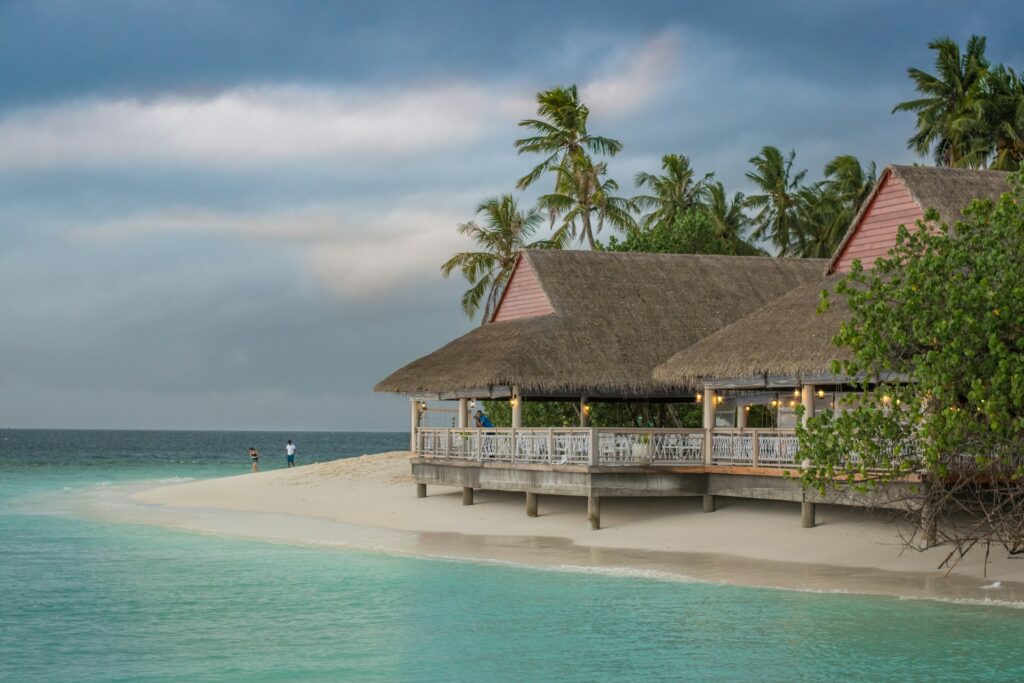
Premium beach houses in the southern coast (Asia, Punta Hermosa, Misterio, Las Lagunas) are a consolidated category with a well-defined market dynamic. They operate inside gated condominiums with significant monthly maintenance fees, intensive use periods in high season, and the option to generate income through seasonal rental.
The summer 2025 coverage published by El Comercio and Gestion reported full-season rents between US$ 3,500 and US$ 36,000 depending on the property, with the Asia Boulevard concentrating around forty per cent of the southern coast supply and demand. That market depth makes Asia the zone with the highest seasonal liquidity within the segment.
From a wealth perspective, quality beach houses showed robust appreciation between 2020 and 2026. Front-line supply is limited and demand grew with the consolidation of premium remote work. Beachfront houses keep a stable premium over inland positions in the same condominium.
The main risk is salinity and humidity: structural and finishing maintenance is more demanding than in urban properties. Estimating annual maintenance cost at least fifty per cent higher than in a similar urban property is realistic.
Loft and singular properties
A minor but growing category is lofts and singular properties: former industrial warehouses converted, adapted factories, institutional buildings turned into residences. Lima still has few cases but the trend is moving forward, with focus in Barranco and zones adjacent to Pedro de Osma avenue.
These properties work for a specific buyer profile: creative professionals, couples without children, foreigners with particular aesthetic sensibility. Their patrimonial valuation is more volatile because the buyer universe is smaller, but well-executed assets usually carry documented history and a character that is hard to replicate.
To complement this analysis, we recommend exploring Premium Amenities Worth Having in Lima Luxury Condominiums and Family office and real estate patrimonial structuring in Peru: the role of Lima luxury.
Houses in gated condominiums (La Planicie, Casuarinas, Las Lagunas)
A typology with its own Lima identity is the large-format house inside a gated condominium. La Planicie, Las Casuarinas, Las Lagunas, Rinconada del Lago and other premium condominiums combine privacy, perimeter security and common amenities (courts, club, green areas) with lots larger than in open urban fabric.
From a patrimonial standpoint, these properties work well for HNW families with young or teenage children who value outdoor space and a closed community. Liquidity is medium and prices tend to remain stable because new supply is limited by lot availability inside the condominium.
Penthouse versus house: the recurring question
The most frequent choice in Peru’s premium segment is between a penthouse in a central zone and a house in a low-density area. Five variables tend to drive the decision:
Privacy versus services. The house offers complete privacy, the penthouse immediate access to urban services.
Maintenance. The house requires garden, pool and household management on its own. The penthouse shares maintenance with the building’s owners’ association.
View and light. The premium penthouse usually has better views and more natural light. The house depends on lot geography and surrounding layout.
Mobility. The house is typically further from the financial and commercial zone. The premium penthouse usually sits in or near it.
Liquidity. The penthouse in a central zone has better resale liquidity. The premium house has longer timelines but more stable prices.
For additional reference, see Buy or Rent a Luxury Property in Lima: Patrimonial Analysis.
Comparative liquidity: how long each typology takes to sell
A figure rarely published but worth keeping in mind when buying is the average selling time for each typology in normal market conditions. A penthouse in San Isidro or Miraflores with unobstructed view and price coherent with comparables usually closes in four to nine months. A flat unit in a premium tower, in three to seven. A large house in La Planicie or Las Casuarinas, in nine to eighteen. A country house in Cieneguilla, twelve to twenty-four. A beach house in Asia with a beachfront address, three to six months if sold in seasonal pre-sale and up to twelve outside it.
These ranges shift with the cycle: in a seller’s market they all shorten; in a buyer’s market the less liquid ones stretch further. Knowing them before buying protects against the scenario where the property is bought as a family anchor and later, for personal reasons, has to be liquidated fast.
Recurring costs by typology
Each typology has its own recurring cost structure worth projecting before buying. A premium penthouse in a tower with four hundred metres and full amenities typically has a monthly fee between 1,200 and 3,000 dollars, annual property tax between 0.2 and 0.5 per cent of the declared value, periodic maintenance of terrace and shades, shared structural insurance through the owners’ association. A large house in a premium district has zero or minimal condominium fees, but direct costs: gardening, pool, general maintenance, on-site security systems, possibly stable household staff, which together can exceed 2,500 dollars a month.
A beach house in Asia adds significantly higher condominium fees (between 800 and 2,500 dollars a month depending on the complex) plus demanding maintenance because of salinity. A country house in Cieneguilla adds extensive gardening, rural hydraulic systems and on-site security. Asking the seller for the last year’s cost detail before closing prevents later surprises.
Patrimonial and reconverted houses as a typology of their own
One typology that deserves its own chapter is restored patrimonial houses and reconverted institutional buildings used as residences. In Barranco, several republican mansions on Pedro de Osma avenue or the inner passages serve as references. In Miraflores, 1930s houses thoughtfully restored in Santa Cruz or near old Larco avenue. In the historic center, eighteenth and nineteenth century mansions adapted with recognized conservation techniques.
From a wealth perspective, this property type combines two components: the architectural-historic asset (irreplicable) and the contemporary residential asset (integrated kitchen, modern bathrooms, discreet VRF climate control). The target buyer is a specific profile: collectors, architecturally sensitive professionals, foreigners with European experience. Liquidity is medium to low depending on location, but well-restored properties hold price better in negotiation than comparable properties without that historic weight. The applicable regulation (Law 28296 on Cultural Patrimony, district ordinances on the historic center) defines intervention scope and should be reviewed before closing.
The land plot as a separate asset
Premium plots in zones like La Planicie, Las Casuarinas Vieja, El Olivar, Santa María del Mar, or Asia function as a separate asset class within the segment. They do not generate income directly, do not have regular rental demand, and require taxation discipline (annual property tax, eventual gardening or surveillance). But they offer two specific advantages: development optionality (the buyer can build a custom residence over five to ten years without rushing) and full personalization (the architecture is decided from scratch, with no inherited compromises).
For HNW families with patrimonial horizon and capital available, holding a premium plot has a strategic dimension. The plot retains value with stability, opens design optionality, and serves as legacy for the next generation. The risk is mainly maintenance and zoning: a plot held without active use can suffer informal occupations, regulation changes that alter its development potential, and indirect costs that accumulate over time. Active monitoring through the district municipality prevents most of these problems.
The portfolio criterion
For HNW buyers with significant capital, the decision is rarely between one property or another: it is usually how to combine them. A primary urban property for daily use (penthouse or house by preference), a leisure property (beach house or country house), eventually an investment property that is rented or held as a wealth anchor.
This typological diversification reduces risk and takes advantage of the different dynamics of each category. The appreciation curve of a penthouse is not the same as that of a country house, and demand cycles are out of phase, which stabilises the family’s real estate wealth across decades.