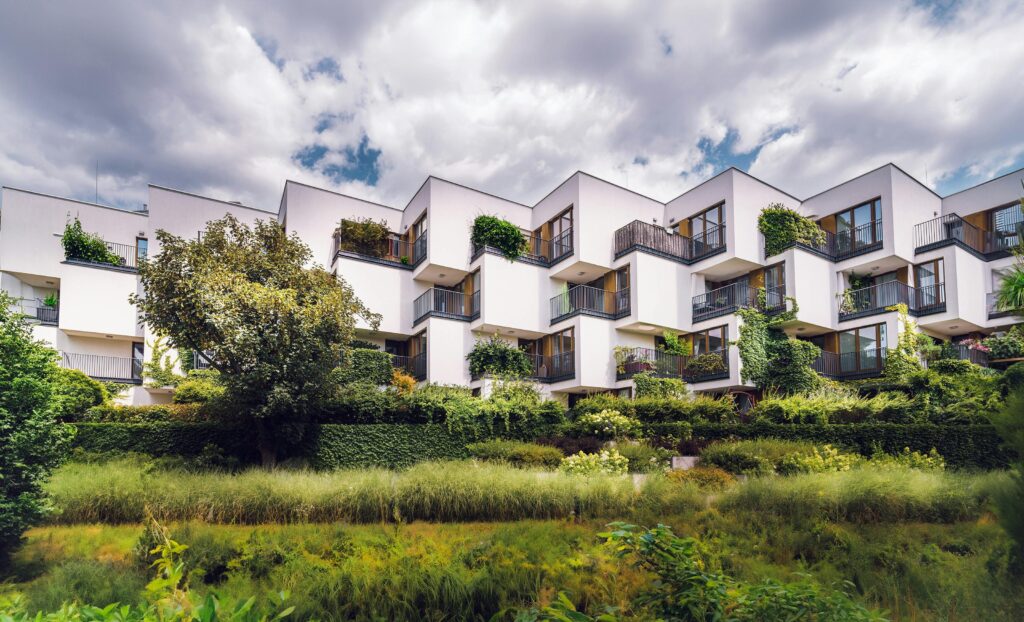
Premium pre-sale in Lima has stopped being a marginal alternative and become the preferred path for the HNW buyer who values customization and appreciation during construction. Whoever signs an off-plan contract on a premium project in San Isidro El Golf, oceanfront Miraflores or prime Barranco accesses three benefits the resale market does not offer: capacity to customize the asset, capture of appreciation during construction, and a scarcity premium on product that sells 100 percent before delivery. This guide covers each benefit with operational criteria and the terms in which they become effective.
Customization: the most underestimated benefit
Customization in premium pre-sale lets the buyer define, within a structured menu, the finishes, non-structural layout and equipment of the property. The difference with a resale asset is absolute: in resale, the buyer adapts what exists; in pre-sale, the buyer defines what will exist.
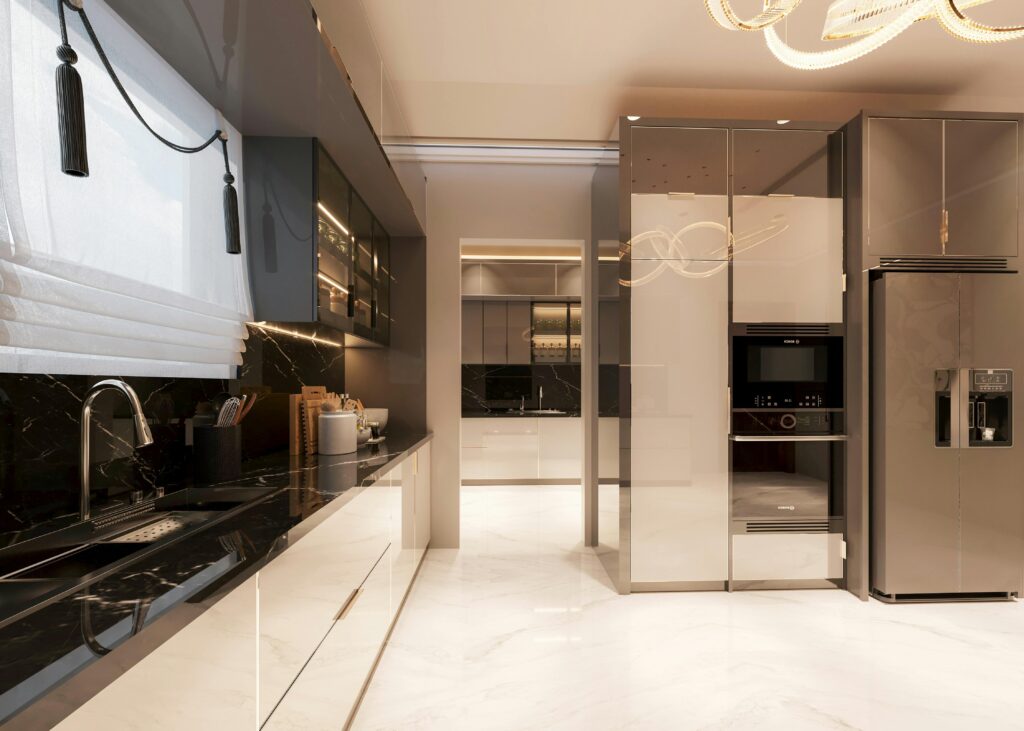
The typical menu operates at three levels. The base level, included in the property price, offers standard quality finishes. The mid level, with additional 5 to 12 percent cost, brings finishes up to premium national brands. The top level, with additional 12 to 25 percent cost, accesses international brands (Boffi, Gaggenau, Miele, Bulthaup, Antonio Lupi).
Customization goes beyond finishes. In premium projects with architectural flexibility, the buyer can modify non-structural layout: combine two secondary bedrooms into one master with closet, open the kitchen to the living room, integrate a study within the master bedroom. Each decision is documented with signed plans before 50 percent construction progress.
The real value of customization is measured in how the buyer inhabits the asset after delivery. A customized property fits the owner’s lifestyle; a resale property requires later adaptation, with renovation costs that can run from 80 to 300 thousand dollars for a complete intervention.
Appreciation during construction: the cycle capture
The second benefit is asset appreciation during the construction period. A premium project with 24 to 36 months of construction captures the district’s macro cycle and adds 4 to 8 percent annually to the asset value, before any specific improvement.
Over a one-million-dollar ticket with 6 percent annualized appreciation during 30 months of construction, nominal appreciation between contract and delivery hovers around 16 percent. The figure is relevant: the buyer enters the asset at 2026 price and receives it at 2028 price, with the appreciation captured as patrimonial gain.
To that natural appreciation, add the finish premium when the buyer customizes with mid or top-level finishes. An asset delivered with European oak floors, Calacatta marble and full home automation can be worth 8 to 15 percent more than the standard unit delivered by the developer. The buyer captures both premiums if customization decisions are made with market criteria.
Scarcity premium: the asset the market does not see
The third benefit is the scarcity premium. Premium projects in districts like prime Barranco, San Isidro El Golf and oceanfront Miraflores close at 100 percent before delivery. Specific units with view, terrace or special layout are the first to sell. To access those units, the buyer must enter pre-sale.
Once the project is delivered, those same units, if they reach the resale market, do so with a premium over the entry price of pre-sale buyers. That premium translates to additional appreciation for the original buyer when they decide to sell.
On a related note, it is worth reviewing our guide on Buy or Rent a Luxury Property in Lima: Patrimonial Analysis, alongside How Long It Really Takes to Sell a Luxury Property in Lima: Days on Market by District.
The HNW buyer who enters a premium project in pre-sale accesses an asset that, once delivered, is no longer available on the open market for several years. Asset exclusivity is structural, not marketing.
When pre-sale is clearly the best option
Three buyer profiles maximize premium pre-sale benefits.
The personal-use buyer with long horizon. Customization pays its dividends when the buyer inhabits the asset for ten or more years. Each customization decision translates into daily quality of life.
The investor with 5 to 10 year horizon. The combination of entry discount (5 to 10 percent), appreciation during construction (4 to 8 percent annual) and post-delivery scarcity premium generates consolidated returns that exceed average resale.
The family office with patrimonial vocation. Pre-sale allows allocating capital to luxury real estate with entry discount and cycle capture. The structure is efficient for institutional portfolios.
Risks premium pre-sale minimizes
Unlike standard pre-sale, premium pre-sale operates with three mechanisms that reduce buyer risk.
Escrow account. Pre-delivery payments are deposited in an account managed by a financial entity independent of the developer. The account only releases funds against progress certified by external supervision. If construction halts, the buyer does not lose the deposited capital.
To complement this analysis, we recommend exploring Lima luxury real estate as a safe-haven asset: the 2026 thesis and Best districts to invest in luxury property in Lima 2026.
Progress certified by external supervision. Each payment milestone executes only after validation by a supervisor independent of the developer. This prevents the developer from charging fees on non-existent progress.
Buyer exit clause. Premium contracts include conditions under which the buyer can rescind without substantial loss: delay over 12 months, significant project modification, documented quality breach.
These three mechanisms are not optional in serious premium pre-sale; they are the standard. A developer who does not offer them is outside the serious HNW segment.
When premium pre-sale is not the best option
Three buyer profiles find better value in the resale market.
The buyer needing immediate use. If the property must be occupied in less than twelve months, the construction timeline is excessive.
The buyer with low tolerance to delay risk. Even in serious premium projects, delays can occur. A buyer who does not accept six months of delay should consider resale.
Anyone evaluating this kind of decision will find value in Premium Amenities Worth Having in Lima Luxury Condominiums and Branded residences in Lima: the international standard reaching the Peruvian market.
The investor prioritizing yield from day one. Pre-sale ties up capital during construction without generating cash flow. For investors needing current yield, resale delivers from the first month.
How to capitalize on pre-sale benefits
Four operational decisions maximize the return of a premium pre-sale.
Project selection. Not all premium projects offer the same benefits. Projects with developer of documented track record, premium location in district with robust appreciation, and differentiated architectural design capture greater premium at delivery.
Clause negotiation. The five critical clauses (delay penalty, customization rights, finish quality, builder warranty, buyer exit) must be in the contract before signing. Negotiating after signing reduces buyer leverage.
Customization with market criteria. Customizing with finishes the HNW market recognizes and values maximizes the premium to the asset. Extreme or overly personal customizations reduce the buyer universe in eventual resale.
External technical supervision. An independent supervisor during construction protects against quality deviations and ensures the final asset matches what was contracted. Investment is 0.5 to 1 percent of property value.
The next step
If premium pre-sale is in the investment horizon, the practical steps are three. Validate the developer with visits to previously delivered projects and conversations with current owners. Negotiate the contract with a specialized legal advisor before signing. And plan customization with sufficient time to make decisions with criteria, not under construction timeline pressure. Premium pre-sale rewards the disciplined buyer and early criteria; benefits are cumulative when decisions are made with time.