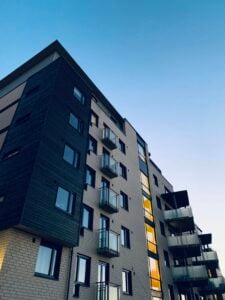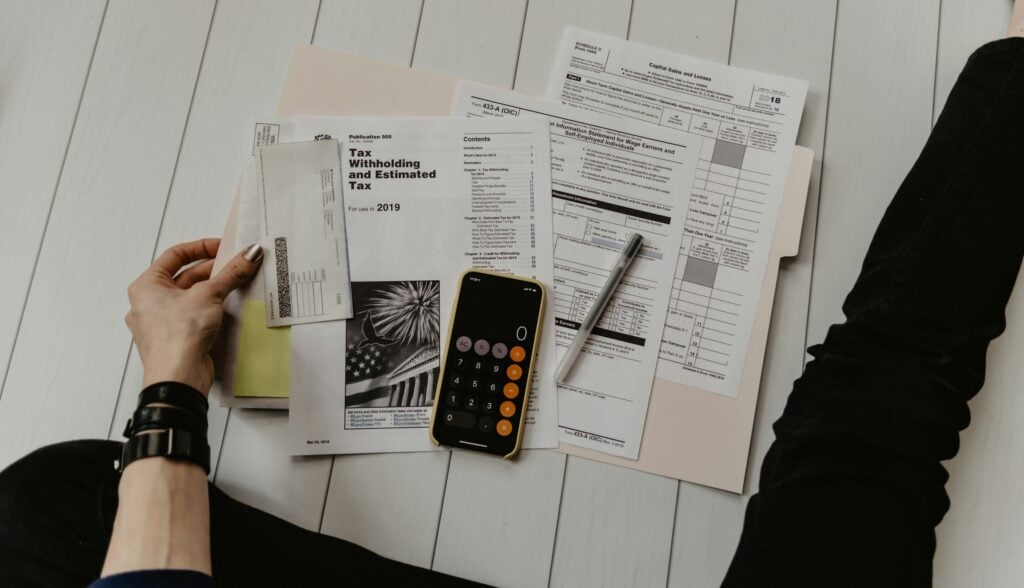
If you are buying a US$ 1.5M penthouse in San Isidro or Miraflores from Miami, Madrid or Mexico City, the deal feels familiar in price tag but operates on a different rulebook. Peru has no title insurance, no escrow officer in the US sense, no MLS-grade disclosure regime, and no broker fiduciary statute that mirrors yours back home. Your protection is upstream: a Peruvian attorney who runs a textbook due diligence luxury property Lima before your funds wire across borders. This guide walks you through the 30 checks an experienced Lima counsel must complete, what each finds, where it lives, how much it costs and how long it takes. Numbers in soles convert to USD at roughly 3.75 to 1 as of May 2026.
Why luxury due diligence in Peru is its own animal
In a US$ 200,000 deal an overlooked mortgage on the registry can cost you a few thousand soles and a couple of weeks. In a US$ 1.8M closing the same overlooked mortgage, paired with an outdated declaratoria de fábrica (the formal record of what was built) and a building bylaw that bans short-term rentals, can break the deal, freeze your deposit or leave you stuck with an asset you cannot operate the way you planned. Information asymmetry in luxury Lima is real: the seller almost always knows the building better than you do, and the broker, however professional, is not legally responsible for hidden liabilities. That responsibility sits squarely with your attorney.
For US buyers there is a simple mental model: think of Peruvian due diligence as everything your Florida title company would do, plus everything your real estate attorney would do, plus the parts of an HOA records review your inspector ignores. There is no equivalent of title insurance to backstop you afterward, so the front-end work is what protects your capital. What follows is a 30-point map across seven blocks. Your counsel may add to it; none of these should be missing.
Block 1: SUNARP registry checks (7)
The Property Registry at SUNARP (Peru’s national public registry) is the single source of truth for who owns what and under which conditions. We start here because without a clean registry record, no deal moves. For a deeper read on the document itself, see our piece on SUNARP search for luxury properties in Lima and the technical primer on the Peruvian sale and purchase contract.
1. Active electronic registry record (partida registral)
What it shows: the master document for the property. Registry number, prior records, description, current owner, registered area and every entry to date. The asset’s X-ray. Where: SUNARP’s online registry service (SPRL). Cost: roughly S/ 8 (about US$ 2.10) for an online simple copy; verify the current SUNARP fee schedule. Time: minutes. The latest folio is not enough: your attorney needs the full historical record, not just the most recent page.
2. Real Estate Registry Certificate (CRI)
What it shows: a SUNARP-certified document confirming officially the title, charges, encumbrances and any pending registrations as of the date of issuance. Unlike a copy of the partida, the CRI carries public faith and is used at closing. Where: SUNARP SPRL. Cost: S/ 86.10 (about US$ 23) at the 2025 schedule, equivalent to 1.61% of one Tax Unit (UIT) per certificate [TO VERIFY: exact fee at May 2026]. Time: up to 5 business days for issuance. Validity: 30 days, so it is requested at the end of the process, close to closing.
3. Chain of title for the past 10 years
What it shows: the full sequence of transfers (sales, gifts, inheritances, judicial awards). Each transaction is registered. A broken link, for instance an unregistered family transfer, can put today’s deal at risk tomorrow. Where: the partida plus literal copies of older entries. Cost: roughly S/ 8 per entry. Time: 1 to 3 days. Our take: never buy an apartment whose record shows three different owners in two years without a clean explanation. It is usually a symptom of something.
4. Active mortgages and lien releases
What it shows: whether the property secures a mortgage, construction loan or bank credit. Mortgages are inscribed in section D of the partida (charges and encumbrances). How to confirm release: ask the seller for the release entry or, if the mortgage is still active, a written payoff letter from the bank stating exact amount and timeline. Your attorney must structure closing so the payoff is wired directly to the bank, before any funds reach the seller. For more, see our guide on real estate fraud in Lima.
5. Attachments, injunctions and lis pendens
What it shows: registered attachments ordered by civil, labor or tax courts; injunctions in administrative-litigation processes; lis pendens. Any of these freezes your ability to register the purchase until they are lifted. Where: section D of the partida and the CRI’s charges report. If anything appears, do not advance until you have a signed and ready-to-register release.
6. Easements, usufructs and surface rights
What it shows: in penthouses with large terraces or duplexes with rooftop access, easements (equipment maintenance, antennas, ducts) or usufructs in favor of third parties are common. They limit your real use of the asset. Where: partida and the project’s descriptive memorandum. Time: 2 to 4 hours of legal review.
7. Independent registry record for the apartment
What it shows: the apartment must have its own registry record (independización), separate from the parent land record. Without independización the property cannot be sold as a unit; instead what is sold is a percentage of the underlying land, which fails almost any bank financing and complicates resale. Where: the apartment’s record plus the building’s parent record. If the building is brand-new and independización is still pending, demand a fixed timeline in the contract.
Block 2: Municipal checks (5)
What SUNARP says is what is registered; what the district municipality says is what was actually built and authorized. The two narratives must match. When they don’t, you have a problem.
8. Building permit (licencia de edificación)
What it shows: the municipal resolution authorizing construction. In luxury Lima, typically Modality C or D (5+ floors or mixed use). Where: Urban Authorizations Department of the relevant district (Miraflores, San Isidro, Barranco, Surco). Time: 5 to 10 business days for a certified copy. An expired or non-renewed permit means the building has no current legal framework.
9. Work conformity (conformidad de obra)
What it shows: the administrative act verifying that the executed work matches the approved project. Without it, technically the building is not legally complete, even if it is fully inhabited. Where: Urban Authorizations Department. Cost: S/ 200 to S/ 600 (US$ 55-160) by district and modality [TO VERIFY: exact 2026 TUPA rate]. The Lima Metropolitan Municipality publishes requirements by modality.
10. Registered declaratoria de fábrica
What it shows: the formal declaration, registered with SUNARP, recording exactly what was built: floors, apartments, areas, parking, storage. If the declaration omits an extra floor, an enlarged terrace or a storage unit, that piece does not legally exist. A classic issue in penthouses with modified terraces. Where: partida and municipal archive. If there is a gap between what is being sold and what is declared, demand regularization before closing.
11. Use compatibility and zoning
What it shows: the area accepts multifamily residential use under the current urban parameters certificate. In commercial zones some mixed-use buildings restrict residential regularity. Where: parameters certificate from the municipality, valid 36 months. Cost: roughly S/ 200-400 (US$ 55-110).
12. Habitability and Civil Defense conformity
What it shows: a current ITSE technical safety inspection certificate for common areas and habitability. In premium buildings with sauna, pool and gym, this matters for insurance policies and board liability. Where: Civil Defense / municipality. Your attorney must confirm it is current, not lapsed.
Block 3: Tax checks (4)
Tax debts follow the property, not the prior owner. If the seller hands you a unit with four years of unpaid property tax, that debt becomes your operational headache. To understand the full cost, see our piece on the Alcabala transfer tax for high-value properties and our guide to hidden costs when buying an apartment in Lima.
13. Property tax (impuesto predial) up to date
What it shows: a no-debt certificate for property tax issued by the district municipality or, in Cercado de Lima, the Tax Administration Service (SAT). When: at closing, not before; the certificate has limited validity. Ask for the seller’s HR (summary sheet) and PU (urban property declarations). Discrepancies between declared and built sizes are usually red flags.
14. Municipal arbitrios up to date
What it shows: a no-debt certificate for arbitrios (waste collection, parks, security). For a Miraflores or San Isidro penthouse, annual arbitrios run S/ 4,000 to S/ 8,000 (about US$ 1,070-2,130). Verify the last 4 years of payments.
15. Seller’s 2nd-category income tax
What it shows: the seller must declare the sale to SUNAT and pay 5% capital gains tax on the gain, unless the principal residence exemption applies (minimum 2 years of holding and only property). Why it matters to you: if the seller does not pay, SUNAT can affect the registration. Your attorney must obtain the SUNAT virtual form 1665 with payment proof before signing the minuta. For non-resident sellers, a 5% withholding applies.
16. Alcabala calculated and projected
What it shows: the correct Alcabala transfer tax calculation (3% on the transfer value above 10 UIT). On premium deals the effective rate is around 2.7% of the price. It is a buyer cost. Where: Lima SAT or the relevant district municipality. Including it on the closing schedule prevents surprises.
Block 4: Technical and architectural checks (4)
17. Independent professional appraisal
What it shows: a technical valuation by a certified appraiser (REPEV-registered or via professional colleges). Even in an all-cash deal, an independent appraisal protects you from overpaying and helps if you later mortgage. Cost: US$ 250 to US$ 600 for a premium penthouse. More in our luxury appraisal guide.
18. Site plan, layout and descriptive memorandum
What it shows: the municipally-approved plans and the architect-signed descriptive memorandum. Compare with what is built. Differences (a service room turned into an office, a roofed terrace not on the plans) are unauthorized expansions. Where: municipal archive and developer. Time: 1 to 2 weeks to gather.
19. Structural condition and engineering memorandum
What it shows: for buildings older than 15 years, a structural inspection by a licensed civil engineer (CIP-registered). Look for cracks, settlement, moisture, column and beam integrity. Cost: S/ 1,500 to S/ 3,000 (US$ 400-800). Worth it in tall towers or oceanfront blocks (Malecón, Reducto), where salt air accelerates wear.
20. Building systems and maintenance certificates
What it shows: maintenance certificates for elevators, fire suppression, backup generator, water pump, treatment plant if applicable. Premium buildings run 4 to 6 critical systems. Without current maintenance, the board faces meaningful contingencies that flow into special assessments.
Block 5: Condominium checks (4)
Buying a penthouse means buying a seat on a homeowners association. Peru’s Law 27157 on horizontal property governs coexistence and rights to common areas. Before signing, run through these four checks.
21. Registered and current internal bylaws
What it shows: the building’s internal bylaws (reglamento interno), registered with SUNARP. Spells out fees, common areas, use rights, restrictions (pets, short-term rentals, facade modifications). If you plan to operate the unit as a premium Airbnb, this document tells you whether you can. Where: the building’s partida and the administrator. For more on the management role see our piece on documents to buy an apartment in Lima.
22. Last 24 months of HOA meeting minutes
What it shows: the running record of resolutions, special assessments, conflicts, lawsuits against the building, active demands. A building with three open civil cases is a yellow flag. Where: the minute book held by the administrator or board president. Ask for a certified copy of at least the last 24 months.
23. Apartment account statement with the HOA
What it shows: a no-debt certificate for ordinary fees, special assessments, fines and interest. Condominium debt is practically tied to the unit in many cases: the administration can cut off services. Demand the certificate at closing.
24. Parking and storage assignment
What it shows: each parking and storage unit you are buying must have its own registry record or a clear assignment in the bylaws. In US$ 1M+ deals it is common to bundle 2 to 4 parking spaces. Each must be individually assigned and saleable.
Block 6: Seller and brokerage checks (3)
25. Seller identity and legal capacity
What it shows: valid Peruvian DNI (or passport for foreign sellers), current power of attorney if acting through a representative, recent residency certificate. Under marital community property, both spouses must sign unless a separate-property regime is documented. If the seller is a corporation, current power of the legal representative through the SUNARP corporate registry.
26. Court records and PEP screening
What it shows: for cross-border transactions or any deal touching Peruvian banks, AML/CFT due diligence is mandatory. Your attorney screens the seller against restrictive lists and obtains court records and a non-wanted certificate from the Judicial Branch. For US-based or expat buyers, see buying a luxury apartment in Lima from abroad.
27. Brokerage verification at MVCS and Indecopi
What it shows: the agent and brokerage must be registered with the MVCS Real Estate Agent Registry, with an active code. In parallel, use the Indecopi “Mira a quién le compras” platform to check whether the brokerage carries sanctions. Indecopi reports thousands of complaints in the sector, with Lima leading. Also see our guide to mistakes investors make in Lima real estate.
Block 7: Contract and financing checks (3)
28. Minuta and public deed with armored clauses
What it shows: your attorney drafts (or reviews line by line) the minuta before it goes to the notary. Critical clauses: a sworn statement from the seller on the absence of hidden encumbrances, eviction warranty, certain delivery date, breach penalties, escrow or trust closing conditions if applicable. The minuta is the contract; the public deed is the form. Do not sign a generic minuta.
29. Earnest money agreement and refund mechanism
What it shows: in premium deals earnest money runs 5% to 10% of the price. Define the type (confirming, penal or rescission), timing, refund conditions and mechanism (notarial escrow, trust). For non-resident buyers, a Peruvian-bank trust or escrow account is almost always preferable to avoid FX and compliance friction.
30. Bank approval letter and disbursement terms (if financing)
What it shows: if part of the ticket is mortgaged, the bank’s final approval with amount, term, rate and disbursement conditions must be in hand before signing. The PEN mortgage rate at the start of 2026 is around 7.47% per BCRP data, while USD mortgages run between 6.5% and 8.5% depending on profile [TO VERIFY: exact rate at May 2026 by bank]. Synchronize the mortgage signing with the public deed.
What you need on the table before signing
- Electronic registry record + CRI issued in the last 30 days.
- Clean chain of title for the past 10 years.
- Zero active mortgages or, if any, a clear payoff mechanism at closing.
- Zero attachments, injunctions or lis pendens.
- Building permit, work conformity and declaratoria de fábrica that match.
- Property tax and arbitrios paid current with no-debt certificates.
- Seller’s 2nd-category capital gains tax paid with proof in hand.
- Independent appraisal and structural review if the building is 15+ years.
- Internal bylaws reviewed and compatible with your intended use.
- Last 24 months of HOA minutes and zero account balance.
- Clear titling for parking and storage units.
- Verified seller identity, capacity and background.
- Brokerage registered with MVCS and free of serious Indecopi sanctions.
- Armored minuta, structured earnest money and firm bank approval.
Frequently asked questions
Buy as if you were the last auditor
Due diligence luxury property Lima is closer to a financial audit than a paperwork checklist. And like any serious audit, you assume something is off until you can prove otherwise. These 30 checks do not guarantee a perfect deal, but they give you something more valuable: the precise list of questions your attorney must answer in writing before your money crosses the border. If your counsel covers all 30, you sign with confidence. If they rush you or tell you some are unnecessary, find another attorney.
Rates, prices and figures referenced correspond to May 2026 and are subject to change. Penthouse.pe is neither a financial advisor nor a bank; before making investment decisions, consult your trusted advisor and the financial institution, which must be regulated by Peru’s SBS.
This content is informational and does not constitute legal or tax advice. Every case must be reviewed by a licensed Peruvian attorney or accountant. Peruvian regulations may have changed since publication; always verify the latest version with SUNAT, SUNARP or the relevant official source.
Evaluating a penthouse in Miraflores, San Isidro or Barranco and want a second expert read before signing? Write to hola@penthouse.pe and we will connect you with attorneys specialized in premium transactions.